
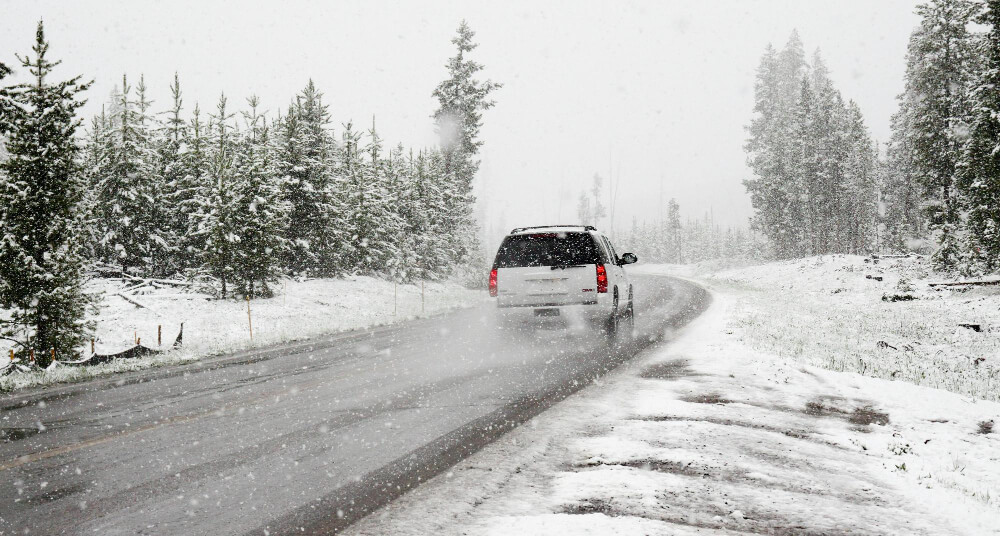
If your car broke down in cold weather, the priorities are simple: get out of danger, stay warm without taking risks, and get help on the way. This article walks you through what to do in the first few minutes, how to keep heat safely, and when a situation becomes an emergency. If you’re in the Minneapolis area and need roadside assistance coordinating next steps, you can reach Timber Towing and Recovery Minneapolis at 1 (216) 810-8086.
Start here: your first 2 minutes after a winter breakdown
First, try to get as far out of traffic as you safely can. If the vehicle still moves, steer to a wide shoulder, a parking lot, a driveway, or the nearest safe pull-off. Avoid stopping on a curve, the crest of a hill, or anywhere drivers won’t have time to react.
Turn on hazard lights immediately. If it’s dark or snowing, visibility drops fast, even at slower speeds. If you have a reflective vest or anything reflective, keep it within reach before you step outside.
Next, do a quick safety check. Are there injuries? Do you see smoke? Do you smell fuel? Is the car sitting in an unsafe spot where another vehicle could hit you? If you notice smoke that’s increasing, a strong fuel smell, or anything that suggests a fire risk, move people to a safer location away from the vehicle and call emergency services.
If there is no immediate danger and you are off the travel lane, staying with the car is usually safer than walking around in freezing conditions. Your vehicle is shelter, it’s easier for help to find, and it protects you from wind.
Staying warm safely inside the car
Staying warm is about trapping heat and reducing exposure. If you have extra clothing, put it on sooner rather than later. Use what you have to insulate: coats, hats, gloves, spare sweaters, blankets, floor mats, even spare clothing in a gym bag. Covering your head and hands makes a noticeable difference because you lose heat quickly through exposed skin.
If you have passengers, sit close together. Body heat is real help in cold conditions. If you have to choose between keeping the cabin perfectly comfortable and conserving fuel and battery, lean toward conserving. Running out of fuel can take away your heat source and create new problems.
When running the engine can help, and when it becomes risky
Running the engine can warm the cabin, but it also introduces a serious risk: carbon monoxide entering the vehicle. Carbon monoxide is odorless and can make you sleepy or confused before you realize anything is wrong.
If you decide to run the engine for heat, think about airflow and the tailpipe first. Snow can pack around the rear of the vehicle and block the exhaust. Even if you see a tailpipe opening, drifting snow and wind can push exhaust back under the car. A vehicle stuck in a snowbank, a plowed-in parking spot, or a deep drift is a higher-risk situation.
If the exhaust area seems clear and the vehicle is in open air, crack a window slightly for ventilation and pay attention to how you feel. Headache, dizziness, nausea, confusion, or unusual drowsiness are warning signs that something is wrong. If you feel any of those symptoms, shut off the engine, get fresh air, and seek help.
How often should you run the engine? There’s no single rule that fits every vehicle, fuel level, and temperature. A reasonable approach is short warm-up periods rather than continuous idling, especially if fuel is limited. Monitor the fuel gauge and do not assume you have plenty, since some gauges can be inaccurate and extreme cold can affect readings.
If you’re low on fuel
If the tank is near empty, conserve from the start. Focus on insulation and reducing heat loss. Keep your hazards on if it’s safe to do so, but remember that hazard lights draw power. If you’re concerned about the battery, prioritize calling for help and sharing your location while your phone is still working.
If you have passengers and the cold is severe, low fuel shifts the risk calculation. It may be better to call for assistance sooner rather than trying to “wait it out.”
Staying warm if you must leave the vehicle
Most of the time, staying with the vehicle is the safer move. Walking in winter can lead to getting lost, slipping on ice, or becoming exhausted and cold faster than expected. It’s also harder for responders to find you if you leave your vehicle behind.
There are exceptions. If the vehicle is in a dangerous location and you can move to a safe building nearby without crossing active lanes of traffic, that may be the better choice. The key is to avoid long walks in low visibility, extreme cold, or unfamiliar areas.
If you do leave the vehicle, make yourself visible. Use a flashlight or your phone’s light, but again, avoid shining directly into traffic. Watch for frostbite risk in exposed skin. Numbness and tingling can happen early, and once hands are numb it becomes harder to use your phone, open doors, or handle basic tasks.
Communication and location: getting help faster
Getting help quickly often comes down to how well you can explain where you are and what’s happening. When you call a dispatcher or roadside provider, give the clearest location you can and a short description of the situation.
Here’s a simple set of details that’s genuinely useful to share:
- Your exact location or best approximation: cross streets, a landmark, a business name, or a mile marker.
- Road type and direction: for example, “northbound” or “heading toward downtown.”
- Vehicle description: make, model, color.
- What happened: stalled, slid off, overheating, warning lights, smoke, or collision.
- Safety issues: “on a narrow shoulder,” “in a snowbank,” “visibility is low,” or “passengers include kids.”
If you don’t know the address, use your phone to drop a map pin or share your location. Most map apps allow you to share a link or coordinates. Mile markers on highways are also helpful, and so are exit numbers. If you’re near a recognizable business, that can be faster than trying to describe intersections in a storm.
Cold drains phone batteries quickly. If your phone is getting sluggish or losing charge, warm it by keeping it close to your body, inside a pocket, and out of direct cold air. If you have a car charger and the vehicle has power, use it. If the car is off and you’re conserving battery, keep calls short and send necessary details by text if that’s more reliable.
Preventing cold-weather injuries while waiting
In a winter breakdown, the two big medical concerns are hypothermia and frostbite. You don’t need a medical background to watch for early warning signs.
Hypothermia can start with shivering and progress to confusion, slurred speech, clumsiness, and unusual fatigue. Frostbite often begins with numbness, pale or waxy skin, and a loss of feeling in fingers, toes, ears, or nose. If symptoms are progressing, treat it as urgent. The “wait and see” approach can backfire when temperatures are extreme or wind is strong.
Children, older adults, and anyone with certain medical conditions may become cold faster. Pets can also be at risk, especially smaller dogs or animals with short coats. Keep everyone as insulated as possible and limit time outside the vehicle.
Visibility and signaling in snow and low light
Snow and darkness reduce the distance other drivers can see you. Keep hazards on when you are stopped in or near traffic, and consider turning on your parking lights or headlights if hazards alone don’t seem visible enough. If you have reflective triangles or LED beacons, they can add a layer of warning, but only place them if you can do it without stepping into danger.
If you exit the car, try to do it on the side away from traffic when possible. Keep movements minimal. In bad weather, drivers may drift within their lane, and shoulders can be narrow or icy.
Conclusion
When your car broke down in cold weather, the safest plan is usually to get out of traffic, make the vehicle visible, conserve heat, and avoid risks like carbon monoxide exposure or a long walk in freezing conditions. Share a precise location as soon as you can, keep your phone warm, and watch for signs that the cold is becoming a medical problem.
If you need help coordinating roadside next steps in Minneapolis, call Timber Towing and Recovery Minneapolis at 1 (216) 810-8086. We can help you figure out what support makes sense based on where you’re stuck and what’s happening.


