
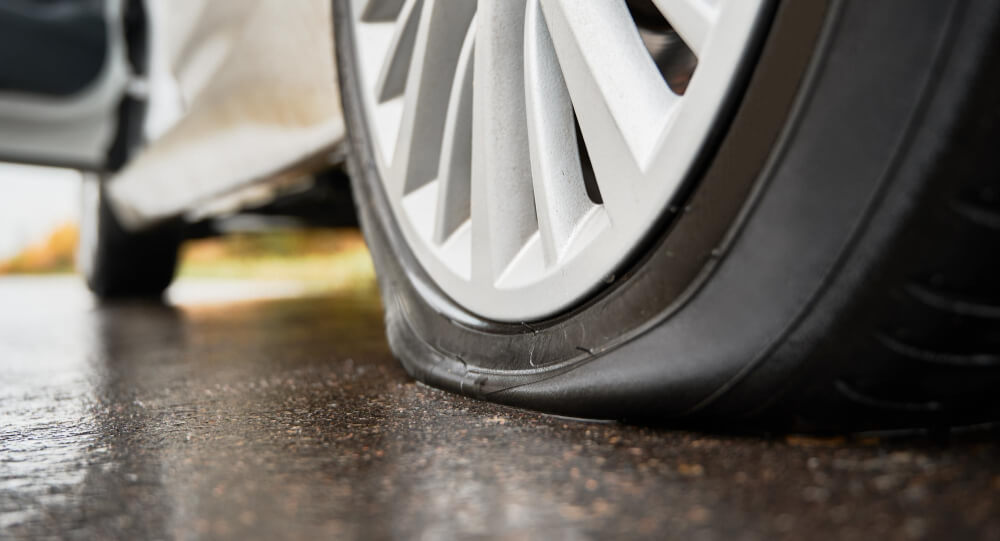
Highway tire blowouts create life-threatening situations where standard roadside advice becomes impossible to follow safely. Unlike neighborhood flat tires where you can easily pull into a parking lot, highway blowouts often occur on busy interstates with no safe stopping areas, narrow shoulders, or construction zones where pulling over creates extreme danger.
This guide covers immediate response techniques for highway tire emergencies, when professional help becomes essential, and how to protect yourself when safe pullover options don’t exist. Understanding proper emergency protocols can prevent secondary accidents and save lives during high-speed tire failures on major highways.
When Minneapolis area drivers face dangerous highway tire emergencies, Timber Towing and Recovery provides 24-hour emergency response with trained professionals experienced in highway safety protocols. Contact us at (651) 318-0441 for immediate assistance when highway tire blowouts create unsafe conditions for self-service repairs.
Understanding Highway Tire Blowout Dangers
A tire blowout on highway creates immediate hazards that differ significantly from regular flat tire situations. High-speed tire failures cause sudden loss of vehicle control, scattered debris across traffic lanes, and rapid deceleration that forces dangerous lane changes in heavy traffic.
Standard roadside advice fails completely on busy highways where safe pullover becomes impossible. Interstate highways often feature narrow shoulders, bridge sections with no stopping space, or construction zones with modified traffic patterns that eliminate safe stopping areas entirely.
Secondary accidents represent the greatest danger during highway tire emergencies. Statistics show that 24% of highway fatalities involve vehicles stopped on roadway shoulders, with emergency responders facing injury rates three times higher during highway assistance calls compared to surface street emergencies.
Why Highway Design Limits Safe Emergency Stops
Modern highway design prioritizes traffic flow over emergency stopping space. Many interstate sections feature concrete barriers immediately adjacent to travel lanes, leaving no shoulder space for disabled vehicles. Construction zones routinely eliminate shoulders entirely, while urban highway sections maintain constant high-speed traffic with no safe refuge areas.
Bridge sections present the most dangerous scenarios for tire blowout on highway emergencies. These elevated roadways offer no escape routes and create extreme visibility problems for approaching traffic, making any attempt to stop extremely hazardous for all involved parties.
Weather conditions compound these dangers significantly. Rain, snow, or reduced visibility situations make highway tire changes nearly impossible while creating additional accident risks for both stranded motorists and passing traffic.
Immediate Response During Highway Tire Blowouts
The first moments after detecting a tire blowout on highway determine whether the situation becomes manageable or catastrophic. Maintaining steering control requires avoiding sudden movements or overcorrection that can cause rollovers or spin-outs at highway speeds.
Gradual deceleration prevents loss of vehicle control while allowing time to assess traffic conditions and identify potential escape routes. Immediate hazard light activation alerts surrounding traffic to the developing emergency, providing crucial seconds for other drivers to adjust their positions safely.
When Stopping Isn’t Safe: Continuing to Drive Options
Sometimes continuing to drive on a damaged tire becomes safer than attempting to stop on a dangerous highway section. Modern tires can often support short-distance driving at reduced speeds, allowing navigation to safer locations like rest areas, exit ramps, or service stations with proper stopping facilities.
Speed reduction to 35-45 mph maintains vehicle stability while creating safer conditions for eventual stopping. This technique works best when the next safe stopping location appears within 2-3 miles and traffic conditions allow for sustained slower speeds without creating additional hazards.
Communication with passengers becomes essential during extended driving on damaged tires. Everyone should understand the situation and prepare for potential rapid evacuation if the tire fails completely or vehicle control becomes compromised.
Emergency Technology and Communication
GPS navigation systems help identify nearby safe stopping locations during highway tire emergencies. Many navigation apps display rest areas, truck stops, and service stations within reasonable driving distance on damaged tires.
Emergency roadside assistance apps provide location sharing and professional help coordination without requiring phone conversations during stressful driving situations. These services often coordinate with traffic control authorities when highway emergency stops become necessary.
Modern vehicles equipped with run-flat tires or tire pressure monitoring systems provide additional safety margins during highway blowouts. However, these technologies have limitations and don’t eliminate the need for professional assessment and proper tire replacement.
Professional Help vs DIY Highway Tire Changes
Safety assessment determines whether DIY tire changes become feasible during highway emergencies. Traffic speed exceeding 55 mph, shoulder width under 8 feet, or weather conditions reducing visibility make self-service extremely dangerous and often impossible to complete safely.
Professional emergency response services bring specialized equipment including traffic safety devices, proper lighting, and tools designed for highway emergency conditions. Trained technicians understand highway emergency protocols and coordinate with traffic control authorities when necessary.
Mobile Tire Service Advantages During Highway Emergencies
Professional mobile tire services reduce exposure time to traffic dangers through rapid response and efficient service completion. Experienced technicians complete highway tire changes in 15-20 minutes compared to 45-60 minutes for inexperienced motorists, significantly reducing accident risks.
On-site tire replacement eliminates temporary spare tire limitations that restrict speeds to 50 mph and distances under 50 miles. Professional services install full-size replacement tires suitable for immediate highway travel at normal speeds.
Insurance coverage through professional services provides liability protection during highway emergency work. This coverage protects vehicle owners from potential accident claims if emergency tire service creates traffic incidents.
Cost Considerations vs Safety Risks
Professional highway tire service typically costs $150-250 including the tire and service call, representing minimal expense compared to potential accident liability or personal injury costs from DIY attempts in dangerous conditions.
Insurance policies often include emergency roadside assistance coverage that fully or partially covers professional highway tire services. Policy holders should verify coverage details before travel to understand available benefits during emergencies.
Personal safety value far exceeds service costs when highway conditions make DIY tire changes life-threatening. Professional assessment helps determine the safest response approach based on specific traffic, weather, and location factors.
How do you decide between waiting and attempting self-service? Traffic pattern assessment, weather conditions, and personal skill levels determine the safest approach. Light traffic periods during daylight hours with wide shoulders may allow experienced individuals to change tires safely, while busy highways require professional assistance.
Prevention and Emergency Preparedness
Pre-trip tire inspection reduces highway blowout risks through identification of potential tire failures before they occur on busy highways. Visual inspection should check for bulges, cracks, embedded objects, and irregular wear patterns that indicate impending tire failure.
Proper tire pressure maintenance prevents many highway blowouts, as under-inflated tires generate excessive heat during high-speed driving that leads to sudden failures. Monthly pressure checks using accurate gauges ensure tires maintain manufacturer-specified pressures for safe highway travel.
Comprehensive tire care involves more than basic pressure checks and visual inspections. Regular maintenance including rotation schedules, tread depth monitoring, and seasonal preparation significantly extends tire life while reducing highway emergency risks. Understanding complete tire maintenance practices helps prevent many roadside emergencies before they occur during critical travel situations.
Emergency Kit Preparation for Highway Travel
Essential emergency equipment includes reflective triangles, flashlight, basic tools, and emergency contact information for professional roadside assistance. Cell phone chargers and backup power sources ensure communication capability during extended highway emergencies.
Emergency contact preparation should include professional roadside assistance numbers programmed into cell phones with service coverage verification for planned travel routes. Many services offer apps with location sharing and service request capabilities that work even in poor cellular coverage areas.
Route planning helps avoid high-risk highway sections during peak traffic periods or severe weather conditions. Alternative routes through surface streets may add travel time but reduce risks during known tire pressure or condition concerns.
Legal and Insurance Considerations
Legal requirements for highway emergency stops include proper hazard light usage, reflective triangle placement at specified distances, and compliance with move-over laws that require other traffic to change lanes when approaching emergency vehicles.
Insurance claim procedures for highway tire emergencies require documentation of service location, time, and circumstances. Professional service providers typically provide detailed invoices and service records that support insurance claims and warranty coverage.
Professional service documentation protects vehicle owners through proper emergency response procedures and liability coverage. Licensed service providers carry insurance that covers potential accidents or vehicle damage during emergency highway tire services.
Highway tire blowout emergencies require different response strategies than regular roadside flat tires due to high-speed traffic dangers and limited safe stopping options. Professional assessment often provides the safest solution when highway conditions make DIY tire changes life-threatening.
Understanding immediate response techniques, when to continue driving on damaged tires, and how to coordinate professional help can prevent secondary accidents during highway tire emergencies. Proper preparation and emergency contact information ensure rapid response when dangerous situations develop.
When Minneapolis area drivers face dangerous highway tire blowouts requiring professional emergency response, Timber Towing and Recovery provides experienced technicians trained in highway safety protocols available 24 hours daily. Contact us at (651) 318-0441 for immediate assistance when highway tire emergencies create conditions too dangerous for self-service repairs.


